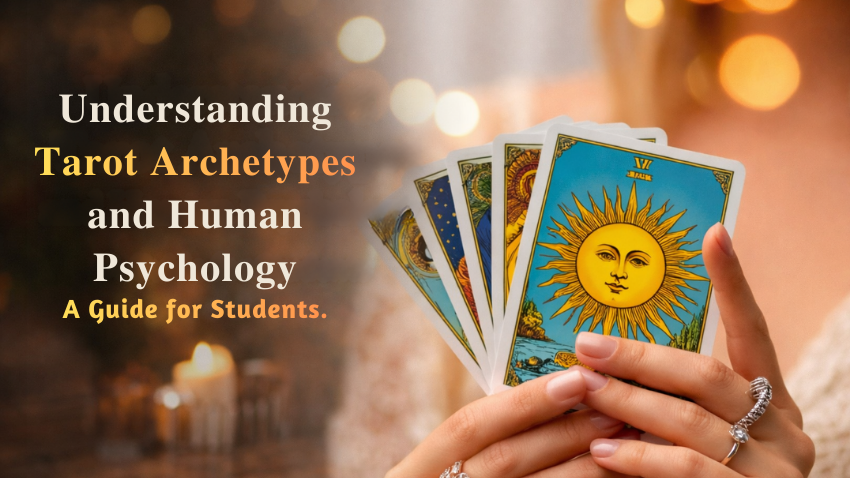
Tarot is often viewed as a mystical practice used for predicting the future, but its deeper value lies in understanding human behaviour and emotions. For students who wish to study tarot professionally, it offers a structured way to explore symbolism, psychology, and self-awareness. Tarot archetypes represent universal patterns that reflect human experiences such as growth, challenges, relationships, and transformation. Learning about these archetypes helps students develop insight into both their own personalities and the people around them.
What Are Archetypes in Tarot?
Archetypes are universal symbols or character patterns that appear across cultures, stories, and myths. Psychologist Carl Jung explained archetypes as images and themes that exist in the collective unconscious of humanity. Tarot cards contain many of these symbolic patterns, making them powerful tools for understanding human psychology.
Each tarot card represents a specific situation, personality trait, emotional state, or life lesson. When students study tarot, they learn to interpret these symbols and connect them to real-life experiences. This process strengthens observation skills and helps students understand how emotions, thoughts, and decisions influence human behaviour.
The Psychological Journey of the Major Arcana
The Major Arcana is the most symbolic part of the tarot deck and contains 22 cards representing major life lessons and stages of personal development. These cards together represent a journey known as “The Fool’s Journey,” which symbolizes the process of growth and self-discovery.
The Fool represents the beginning of a journey and symbolizes curiosity, openness, and courage to explore new paths. For students, this archetype reflects the excitement of starting a new course or learning a new subject.
The Magician represents creativity, confidence, and the ability to turn ideas into action. Students studying tarot can see this archetype as a reminder that knowledge and skill can help them shape their future.
The High Priestess symbolizes intuition and deep inner understanding. It teaches students the importance of reflection and emotional awareness, which are important skills when studying tarot or psychology.
Transformation and Growth Through Tarot Symbols
Some tarot cards represent powerful turning points in life. The Death card, for example, does not symbolize physical death in tarot practice. Instead, it represents transformation and the ending of old phases so new opportunities can begin. Psychologically, it reflects personal change and growth.
The Tower is another important archetype that symbolizes sudden change or disruption. Although such changes may seem challenging, they often lead to important lessons and stronger foundations in life.
By studying these archetypes, students learn that change is a natural part of personal development and that every experience can offer valuable insight.
Understanding Everyday Psychology Through the Minor Arcana
The Minor Arcana focuses on daily life experiences and is divided into four suits. Each suit represents a different area of human psychology.
- Cups represent emotions and relationships.
- Swords represent thoughts, communication, and mental challenges.
- Wands symbolize creativity, passion, and ambition.
- Pentacles represent career, finances, and material stability.
For students, understanding these suits helps them analyse real-life situations more clearly. They learn how emotions, thoughts, actions, and practical matters influence human decisions.
How Studying Tarot Archetypes Helps Students
Students who choose to study tarot gain many valuable skills that go beyond spiritual practice. One of the most important benefits is improved self-awareness. Tarot encourages students to reflect on their thoughts, feelings, and life goals, helping them better understand their personal journey.
Tarot study also strengthens analytical thinking and interpretation skills. Students learn how to connect symbols with real-life situations, which improves their ability to observe patterns and understand complex emotions.
Another advantage is improved communication skills. Tarot readers must explain symbolic meanings clearly, so students learn how to express ideas in a thoughtful and understandable way.
For students interested in careers in astrology, counselling, spiritual guidance, or holistic wellness, tarot knowledge can become a valuable professional skill. It also opens opportunities to offer personal consultations, workshops, or spiritual guidance services.
Conclusion
Understanding tarot archetypes allows students to explore the deep connection between symbolism and human psychology. These archetypes reveal universal patterns that appear in emotions, relationships, and life transitions. Studying tarot not only improves self-awareness but also builds interpretation, communication, and analytical skills.
Students who want to explore this subject further can enroll in Tarot reading courses in Bangalore or choose to learn tarot reading online through trusted learning platforms. One such platform is https://navgrahaastrovastugurukula.com/, where students receive structured guidance and practical training to develop their tarot reading skills and build confidence in this field.